
6.4 Friendly Workplace and Employee Care
Our hospital is dedicated to fostering a friendly workplace environment characterized by mutual respect, effective communication, and inclusive care. We are committed to creating a work setting that combines professional medical excellence with a spirit of humanistic care, integrating the protection of human rights, diversity and inclusion, labor-management harmony, and employee welfare as fundamental pillars of sustainable governance. By upholding the principles of respecting individual differences and safeguarding employee rights, our hospital continuously promotes a diverse, equitable, and inclusive (DEI) workplace culture. This approach fosters a safe, respectful, and supportive environment that enhances employees’ sense of belonging, strengthens organizational cohesion, and improves the quality of medical services, thereby advancing the sustainable development of our medical institution.
Human Rights Protection and Respect in the Workplace
Regarding organizational culture and human rights protection, our hospital actively promotes gender equality, respect for diversity, and zero-discrimination principles, integrating these values into human resource management systems and daily workplace operations. This approach ensures that all employees can fully utilize their professional skills and personal potential in a fair, just, and discrimination-free environment.
To protect employees’ dignity and workplace safety, our hospital has established a comprehensive sexual harassment prevention and complaint handling system. This system clearly defines reporting procedures, investigation processes, confidentiality principles, and complaint resolution methods, ensuring that all cases are handled independently, fairly, and promptly. Through ongoing education and training, promotion of legal regulations, and advocacy for workplace ethics, our hospital actively prevents unlawful workplace incidents. In 2025, our hospital reported zero cases of sexual harassment, demonstrating the effectiveness of our prevention mechanisms and educational initiatives in fostering a respectful, safe, and supportive workplace culture.
Employee Communication and Participation Mechanisms
Our hospital values employees’ expression of opinions and participation rights by establishing diverse and transparent internal communication platforms. These include the hospital announcement system, attending physician forums, new employee forums, labor-management meetings, employee suggestion boxes, and real-time feedback mechanisms. We encourage colleagues to propose suggestions related to work processes, system improvements, welfare measures, and the workplace environment. Responsible units regularly compile, review, and respond to these inputs to enhance organizational communication efficiency and decision-making transparency.
The process for handling public (employee) opinions, complaints, and appeals at our hospital is outlined as follows:
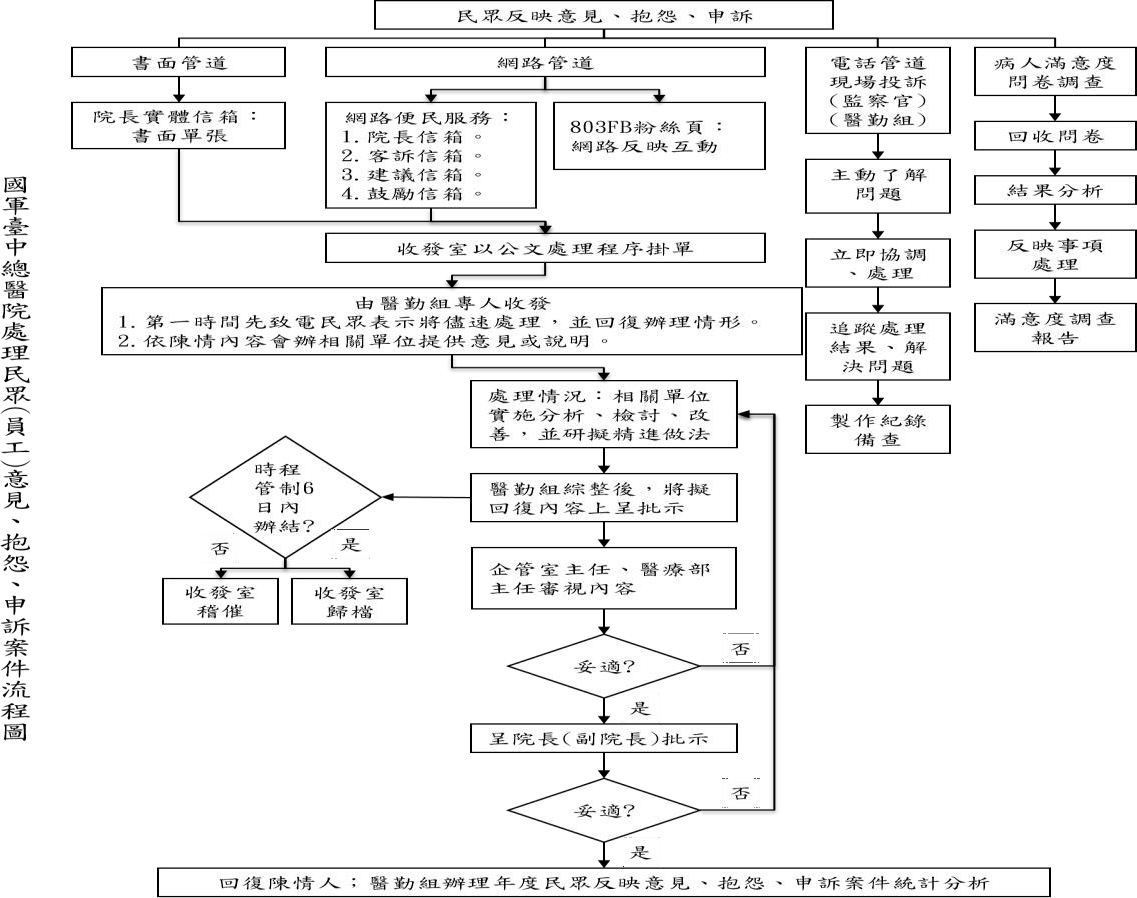
Additionally, our hospital regularly organizes cross-departmental exchanges and internal forums to promote understanding and cooperation among various professional groups, thereby enhancing the effectiveness of cross-team collaboration. The key achievements of the employee communication mechanisms in 2025 are as follows:
| Employee Suggestions | Improvements and Response Measures |
|---|---|
| We hope to include low-dose chest CT scans for employees in the hospital’s employee health examination management regulations. | Since July 2025, the Occupational Safety and Health Office has incorporated low-dose chest CT scans into the annual employee health examination items, providing eligible employees with the opportunity to undergo the examination. |
| According to the “Guidelines for Attendance Management and Wage Payment of Employees in Public Institutions,” it is recommended to provide transportation subsidies for employees who take taxis to and from work due to traffic disruptions caused by natural disasters. | This proposal was unanimously approved by all members of the labor-management meeting and will be implemented after being submitted to and approved by the Taichung City Government Labor Bureau. |
The above case demonstrates that our institution effectively collects employee feedback through an established communication platform and translates it into concrete management actions, thereby embodying the principles of labor-management cooperation and joint governance participation.
Employee Care and Life Support
Regarding employee care and life support, our institution places special emphasis on the adaptation and development needs of new colleagues. Relevant departments provide comprehensive services, including basic workplace equipment setup, accommodation assistance, life consultation, and family support, to help new employees quickly integrate into the work environment, stabilize their career development, and increase their willingness to stay.
In addition, our institution regularly organizes group recreational activities, employee social events, and cross-departmental exchange programs. These informal interactions promote communication and emotional connections among colleagues, strengthen team cooperation and organizational cohesion, and foster a positive and supportive workplace atmosphere.
To enhance employees’ quality of life and satisfaction with benefits, our institution continuously expands its network of contracted merchants. In 2025, we signed agreements with 21 vendors across diverse sectors, including dining, leisure, accommodation, and lifestyle services. Employees can enjoy exclusive discounts by presenting their identification cards. Additionally, to show care and extend best wishes, our institution issues welfare gift vouchers during employees’ birthday months. In 2025, a total of 776 employees received these vouchers, demonstrating organizational support and boosting employee happiness.
Family-Friendly Workplace Policies
Our institution continues to promote family-friendly workplace initiatives to help employees balance their work and family responsibilities. We have established workplace mutual childcare service centers for children aged 2 to 6, managed by the Montessori Foundation. These centers follow the Montessori educational philosophy to foster children’s independence, autonomy, concentration, and sense of responsibility, providing employees with reliable, high-quality childcare resources. This effectively reduces childcare burdens and supports colleagues in balancing family care with career development.
In 2025, a total of 35 employees applied for unpaid parental leave, including 3 males and 32 females. This demonstrates that our institution’s continued promotion of family-friendly policies and childcare support systems is effectively utilized by employees, contributing to improved employee retention, job satisfaction, and organizational stability.
Statistics Table of Unpaid Parental Leave Applications by Category in 2025
| Job Category | Number of Males | Number of Females |
|---|---|---|
| Physicians | 0 | 0 |
| Nursing Staff | 1 | 27 |
| Medical Technicians | 0 | 2 |
| Administrative Staff | 2 | 3 |
| Total | 3 | 32 |
Future Outlook,Our institution will continue to foster a culture of a friendly workplace and implement comprehensive employee care measures, strengthening diversity and inclusion, protecting human rights, and enhancing labor-management communication mechanisms. We will also continuously optimize employee benefits, family support programs, and work-life balance initiatives. By integrating employee needs surveys with organizational development strategies, we will consistently improve employee well-being and work experience, creating a sustainable workplace environment characterized by respect, care, health, and happiness. This approach will help realize the vision of mutual prosperity for employees, the organization, and society.
Employee Mental Health Promotion and Support System
Our institution places great importance on employees’ mental health and workplace well-being, firmly believing that good psychological health among employees is a crucial foundation for maintaining the quality of medical services, enhancing organizational resilience, and promoting sustainable development. To help employees develop positive psychological coping skills and reduce the impact of work-related stress on their physical and mental health, we have established a Mental Health Center. This center provides a comprehensive, multi-level mental health support system offering professional, compassionate, and confidential services.
Our institution has established a three-tier mental health management framework based on preventive medicine principles. This framework includes primary prevention through mental health promotion and stress management; secondary prevention via early identification and intervention counseling; and tertiary prevention through professional consultation and referral services. By implementing this systematic management model, we help employees detect mental health risks early and provide appropriate support and assistance.
To enhance the accessibility and convenience of mental health support resources, we provide individual psychological counseling, guidance, and care services, continuously strengthening our mental health support system. In recent years, the use of employee psychological counseling and guidance services has increased from 54 sessions to 81 sessions in 2025, indicating a gradual rise in employees’ acceptance of and trust in mental health resources. This also reflects our institution’s growing efforts and recognition among colleagues in promoting mental health care and fostering a supportive workplace culture.
Additionally, the Mental Health Center actively expands its external professional cooperation network by signing agreements with psychological counseling agencies, social worker offices, and psychosomatic clinics in Miaoli, Taichung, Changhua, Yunlin, Chiayi, Nantou, and Penghu counties and cities. This initiative helps employees with individual needs connect to institutions participating in the “Military Mental Health Care Program,” which provides up to six free psychological counseling sessions per person annually. In 2025, a total of 33 referrals were made for psychological counseling and guidance services, further enhancing the coverage and effectiveness of mental health support resources.
Our institution continuously promotes mental health through a variety of educational and advocacy activities. By offering special lectures, training sessions, and health promotion courses, we enhance employees’ awareness of mental health issues and improve their self-care skills.
In 2025, three mental health advocacy lectures were conducted, attracting a total of 256 participants. The course content covered topics such as stress management, emotional regulation, building psychological resilience, and workplace mental health, helping colleagues develop positive mental health concepts and self-care skills.
To enhance the sustainability and reach of the mental health management system, mental health education has been integrated into the regular training program. In addition to including mental health-related courses and resource introductions in the quarterly new employee training, mental health information and support resources are regularly posted on the institution’s internal website. Employees are also required to complete at least two hours of online mental health courses annually to strengthen their mental health literacy and improve their knowledge of, and ability to utilize, both internal and external support resources.
Overall, through institutionalized mental health management mechanisms, professional counseling services, diversified education and advocacy, and cross-institutional cooperation networks, our institution is gradually cultivating a healthy workplace environment characterized by support, inclusiveness, and a culture of care. Moving forward, we will continue to deepen strategies for promoting employee mental health, strengthen mental health risk prevention, early intervention, and the effectiveness of support services. Additionally, we will integrate employee needs assessments with health management measures to enhance the utilization of mental health resources. These efforts will help colleagues maintain good physical and mental well-being, further improve organizational resilience and the quality of medical services, and collectively achieve the goals of a healthy workplace and sustainable development.
Employee Interview Sessions and Mental Health Advocacy Lectures in 2025
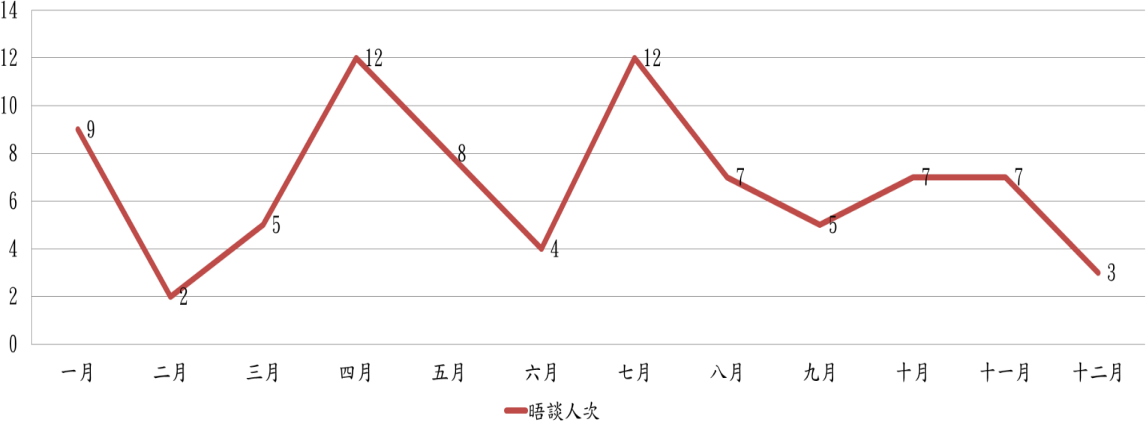
Employee Mental Health Advocacy Lectures
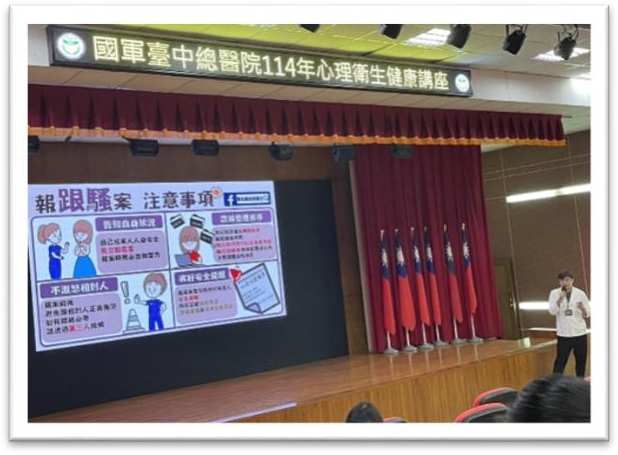
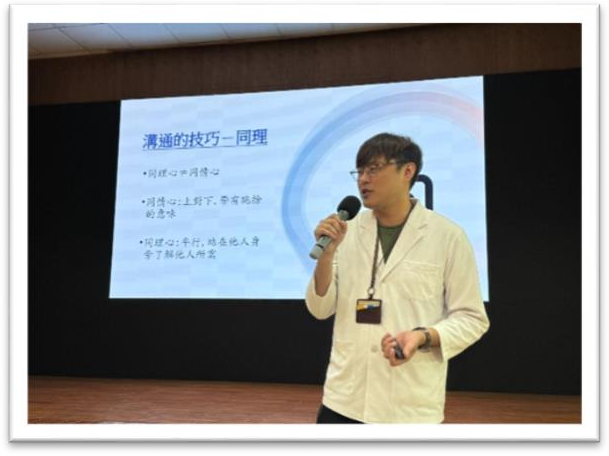
Furthermore, our institution continues to foster a humane environment and healing spaces by cultivating a friendly workplace that combines professional medical functions with a spirit of humanistic care. We integrate employee mental health, emotional support, and workplace welfare into the overall development of our organizational culture.
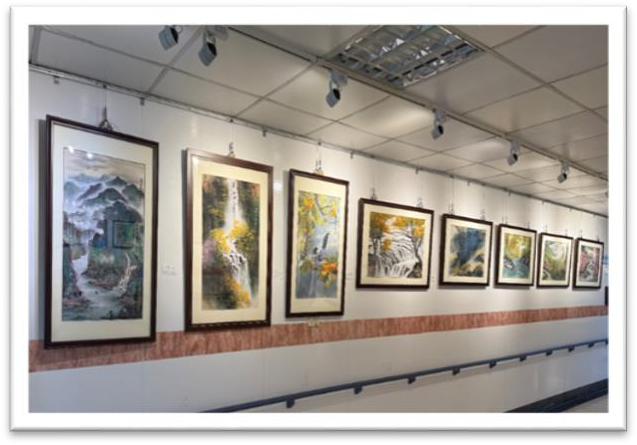
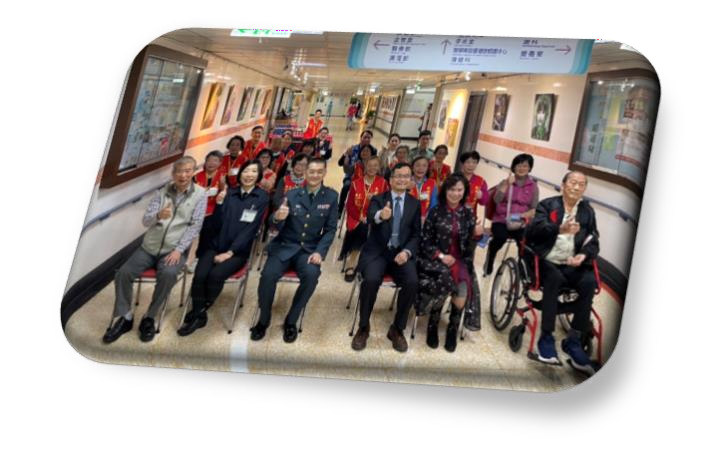
To enhance the cultural atmosphere and spatial quality of the campus, the Political Warfare Office has planned and established an “Art and Culture Corridor” within the institution. Through exhibitions of artworks and themed curation activities, this space offers employees and the public opportunities to engage with art and culture. Simultaneously, the new medical building incorporates public art design concepts, integrating artistic aesthetics into medical space planning. By combining visual arts, environmental design, and humanistic elements, a warm, comfortable, and healing work and medical environment is created.
Our institution believes that a positive work environment not only enhances employee job satisfaction and organizational identity but also reduces work-related stress through the integration of art and aesthetic elements, thereby promoting mental health and emotional resilience. By creating a medical setting that combines aesthetics, humanistic care, and healing functions, we further strengthen employees’ psychological resilience and sense of well-being, while improving the medical experience for patients and their families.
In the future, our institution will further integrate the humanities, arts, and medical environments by combining health promotion, psychological support, and friendly workplace concepts. We aim to gradually build a modern medical environment that embodies professional medical quality, humanistic warmth, and sustainable development values, thereby realizing a people-centered, sustainable medical vision.
The Art and Culture Corridor is depicted in the image below:
In summary, our institution considers employees to be vital assets for advancing the quality of medical services and ensuring sustainable development. Through institutionalized human rights protection mechanisms, diverse communication and participation platforms, family-friendly initiatives, mental health support systems, and the creation of humane healing environments, we continuously foster a safe, respectful, healthy, and inclusive workplace. These efforts comprehensively enhance employee well-being and strengthen organizational cohesion.
In promoting a friendly workplace, our institution not only focuses on protecting employee rights and improving the work environment but is also committed to integrating a culture of care, diversity, inclusion, and people-centered management concepts into organizational governance structures and daily operations. We are gradually transforming the workplace culture from a traditional management orientation to one that is care-oriented, participatory, and inclusive, enabling every colleague to realize their professional value and personal potential in an environment of respect, support, and trust.
Looking ahead, our institution will continue to enhance friendly workplace policies and employee care initiatives, strengthen the culture of diversity and inclusion, protect human rights, and improve employee participation mechanisms. By integrating employee feedback, satisfaction surveys, and data analysis, we will continuously refine system designs and optimize resource allocation to better meet the needs and expectations of diverse employee groups. Additionally, we will further integrate resources across health promotion, psychological support, family-friendly policies, and career development to create a work environment that fosters happiness, security, and growth opportunities.
Our institution believes that a friendly workplace is not only a vital foundation for organizational governance and sustainable development but also a key driver for enhancing medical quality, strengthening organizational resilience, and achieving lasting competitiveness. Moving forward, we will continue to uphold the core philosophy of being “people-oriented,” fostering a work environment where employees are motivated to engage, develop with confidence, and grow together. We will collaborate closely with all colleagues to realize the vision of sustainable healthcare and a happy workplace.
Summary Table of Key Performance Data for a Happy Workplace in 2025
| Sustainability Management Dimensions | Key Performance Indicators (KPIs) | Specific Data/Performance Results for 2025 | Corresponding Criteria / Remarks |
|---|---|---|---|
| Human Resource Structure and Retention | Overall Turnover Rate | 11.29% | SASB HC-DY-330a |
| Nursing Staff Turnover Rate | 11.80% | SASB HC-DY-330a | |
| Total Staff Establishment Ratio | 86.9% | Stable Human Resource Structure | |
| Occupational Safety and Health | Total Recordable Incident Rate (TRIR) | 1.39 | SASB HC-DY-320a |
| Occupational Disease Cases | 0 cases | Three consecutive years with zero occupational accidents | |
| Occupational Safety Education and Training Completion Rate | 100% | Covers all hospital staff | |
| Follow-up Rate for High-Risk Employees’ Health Checkups | 100% | Cases managed under secondary and tertiary health check levels | |
| Pay Equity and Benefits | Basic Salary Ratio of Male to Female Frontline Employees | 1:1 | Nursing, Medical, and Administrative Staff |
| Attending Physician Average Bonus | 268,186 NTD | Implementing Performance-Oriented Rewards | |
| Talent Cultivation and Development | Total Education and Training Expenses | 1,740,249 NTD | An increase of 21.9% compared to the previous year |
| Number of Nursing Supervisor Training Camp Graduates | 26 people | Strengthen the capacity of the leadership pipeline | |
| Friendly Workplace and Care | Sexual Harassment Complaints Established | 0 Cases | Implementing Zero Discrimination and Violence in the Workplace |
| Number of employee psychological counseling sessions | 81 sessions | An increase compared to the previous year (54 sessions) | |
| Number of employees referred to community psychological counseling agencies | 33 people | Linking with cooperative agencies of the Ministry of National Defense’s mental health care program |
Looking ahead, our institution will continue to advance the development of a friendly and positive workplace by integrating employee welfare, human rights protection, diversity and inclusion, and healthy workplace principles into the core strategies of human resource management and organizational development. We are committed to creating a sustainable work environment that embodies respect, care, safety, and opportunities for growth. Through institutionalized management, continuous improvement mechanisms, and data-driven management models, we aim to strengthen employees’ sense of identification, belonging, and engagement with the organization, thereby further enhancing organizational resilience and sustainable competitiveness.
In terms of human rights protection, diversity, and inclusion, our institution will continue to adhere to relevant laws, regulations, and international human rights principles to promote fair employment, equal development opportunities, and anti-discrimination measures. We are committed to fostering a workplace culture that respects gender, age, ethnicity, and diverse backgrounds. Simultaneously, we will continuously strengthen mechanisms to prevent workplace violations and improve channels for complaints, thereby safeguarding employees’ rights and creating a safe, respectful, and inclusive work environment. The principles of diversity and inclusion will also be integrated into organizational governance and daily management practices to promote mutual respect and collaborative success among employees.
Regarding employee care and welfare development, our institution will continue to optimize employee welfare systems, health promotion programs, and family support initiatives. Through health management, psychological support, Employee Assistance Programs (EAP), workplace care activities, and diverse welfare resources, we assist colleagues in balancing work and family needs, promoting both physical and mental health as well as work-life balance. We will also continue to address the needs of employees from different generations by providing more flexible and compassionate support measures to enhance employee happiness, job satisfaction, and retention.
In labor-management communication and organizational development, our institution will continue to strengthen mechanisms for gathering employee feedback, facilitating communication, negotiation, and participation. Through employee satisfaction surveys, forums, diverse communication platforms, and feedback systems, we aim to understand employee needs and concerns, which serve as essential foundations for system improvements and management decision-making. Additionally, by integrating organizational development strategies with talent cultivation plans, we strive to create a work environment that fosters learning, growth, professional development, and career support, enabling employees to continuously enhance their skills and career competitiveness.
Our institution believes that a friendly workplace is not only a vital foundation for organizational governance and sustainable development but also a key driver for improving medical quality, strengthening organizational resilience, and achieving lasting competitiveness. Moving forward, we will continue to uphold the core philosophy of being “people-oriented,” deepen employee care initiatives, optimize work experiences, and enhance workplace happiness. We are committed to building a sustainable work environment characterized by respect, care, health, safety, and inclusiveness. Together with all colleagues, we will strive to realize the vision of sustainable development by co-creating employee welfare, organizational growth, and social value.